







Search Results for: Barista trademark
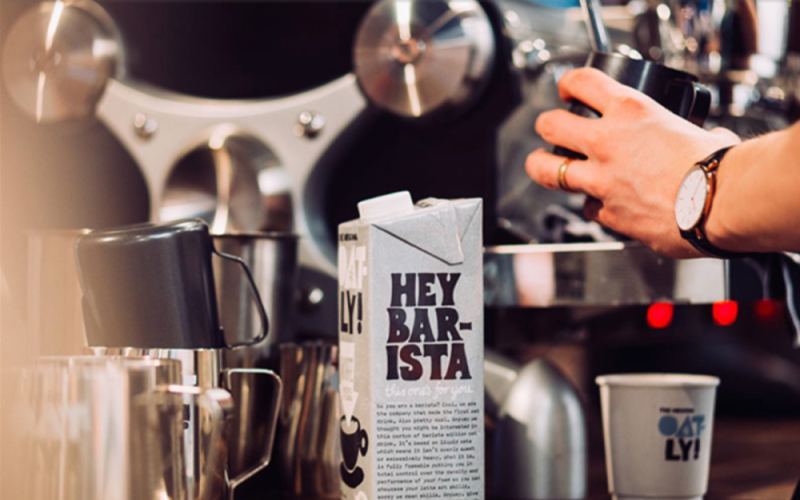
Oatly's application to trademark "Barista" in New Zealand was rejected, drawing renewed attention to the controversy over registering generic terms.
Recently, Oatly, a giant in the oat milk industry, attempted to register the word "Barista" as a trademark in New Zealand, but encountered strong opposition from local food wholesaler Bidfood. Bidfood argued that the term has long been a generic name in the plant-based milk sector and should not be monopolized by any company. The New Zealand Intellectual Property Office ultimately supported Bidfood's position, determining that "Barista" is a descriptive term when used for dairy alternatives. This incident not only highlights the challenges of determining generic names in international trademark registration but also brings to mind similar cases in China, such as the trademark squatting of "Geisha Coffee." Where exactly is the boundary of trademark protection? What potential risks does the registration of generic names pose to the industry? This article will provide a detailed analysis for you. [more…]

Bing Dwen Dwen latte art coffee is wildly popular—does a coffee shop selling such drinks constitute infringement?
After the opening of the Beijing Winter Olympics, the mascot Bing Dwen Dwen quickly went viral, even becoming so sought-after that it was hard to get one. Many coffee enthusiasts began making their own Bing Dwen Dwen latte art, and some coffee shops seized the opportunity to launch lattes featuring Bing Dwen Dwen designs to attract customers. However, Bing Dwen Dwen and Shuey Rhon Rhon are trademarks registered by the Beijing Winter Olympics Organizing Committee, and commercial use may involve infringement. So, is it illegal for a barista to make latte art for their own entertainment? Does a coffee shop selling Bing Dwen Dwen latte art coffee constitute infringement? This article will clarify the relevant legal boundaries and retain Front Street Coffee's professional information for coffee enthusiasts' reference. [more…]
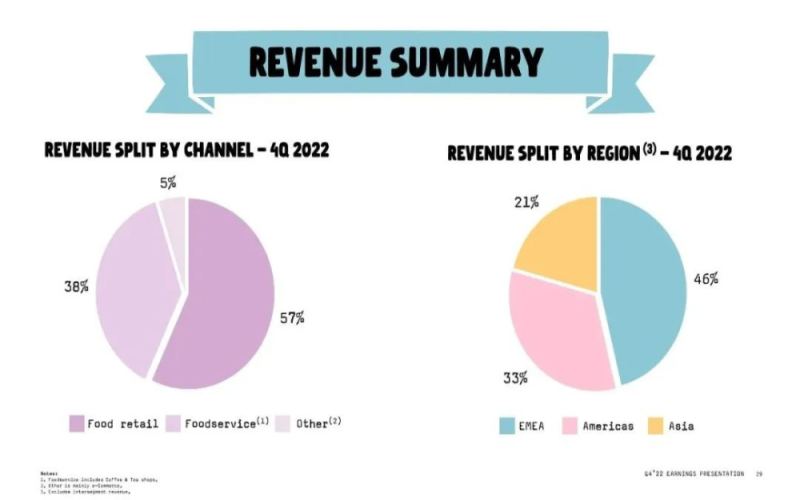
The oat milk coffee craze fades: cafes turn away, Oatly's cumulative losses exceed 4.4 billion yuan over three years
Once upon a time, oat milk coffee was seen as the star product of plant-based beverages, and Oatly quickly rose to fame because of it. However, as the market environment changes and consumer enthusiasm wanes, the status of oat milk in coffee shops is quietly declining. This article sorts out the reasons behind Oatly's cumulative losses of more than US$641 million (about RMB 4.41 billion) from 2019 to 2022: over-reliance on the B2B market, the impact of the pandemic, weak expansion into the consumer market, and a series of controversial marketing moves. At the same time, the article also explores the health controversy surrounding plant milk and future strategies for the Asian market. To follow developments in the coffee industry, you are welcome to add Front Street Coffee's private WeChat (WeChat ID: qjcoffeex) for more specialty coffee bean information. [more…]

Luckin Coffee May Enter the Taiwan Market in December, with Franchisee Shunyu Holdings Coming to Light
Recently, a coffee shop under renovation in Taipei City, Taiwan Province, China, has attracted widespread attention, with multiple clues pointing to the possibility that the chain brand Luckin may open its first store in Taiwan there. The talent recruitment notices, renovation permits, and opening preview posters posted on the construction hoarding all reveal a design style highly similar to that of Luckin. The website of the agent Shunyu Holdings even directly announced that "the first store is expected to open in December 2025." Although Luckin applied for a trademark as early as 2019, this move is interpreted by outsiders as imitating Starbucks' layout in Taiwan through an agent model. Facing fierce competition in the local coffee market, consumer attitudes are divided, and when a reporter called the contact number on the recruitment notice, no one answered, leaving the store opening plan still uncertain. [more…]
How to Choose an Indonesian Coffee Brand? A Complete Guide from Golden Mandheling to Wet-Hulled Processing
Indonesia is an important coffee-producing country globally, yet supermarket shelves are mostly filled with three-in-one instant products, and the choice of pure black coffee is actually limited. For coffee enthusiasts pursuing quality, understanding Indonesian coffee brands and processing methods is essential. This article will focus on Indonesia's most representative Mandheling coffee, highlighting the Golden Mandheling produced by PWN, analyzing how to identify its exclusive trademark, and delving into how Indonesia's unique wet-hulling process affects coffee flavor. At the same time, we will also bring you Front Street Coffee's cupping comparison of Lintong Mandheling and Golden Mandheling, as well as practical brewing parameters, to help you make a wise choice among the dazzling array of Indonesian coffees. [more…]
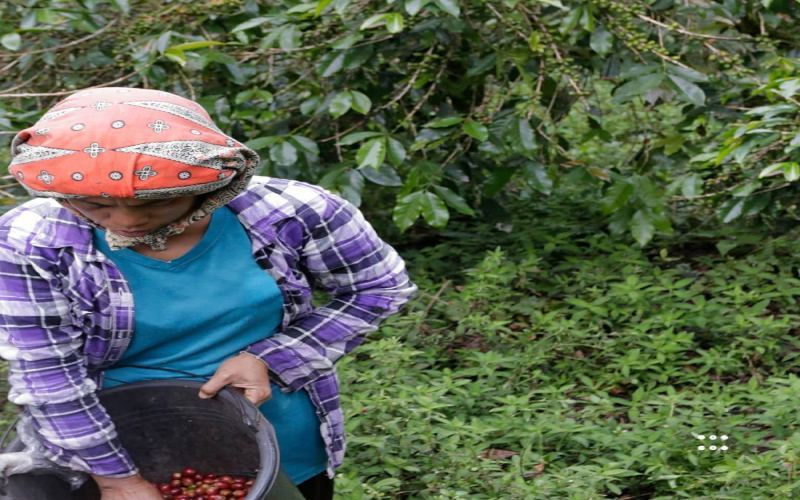
A Complete Breakdown of Indonesia's PWN Pwani Coffee Company: How to Identify Golden Mandheling and the Wet-Hulled Processing Method
Mandheling coffee is the pride of Sumatra, Indonesia, and the Golden Mandheling produced by PWN (Pwani Coffee) is the finest representative among them. This article will introduce you to the background and history of PWN, help you understand the uniqueness of the Golden Mandheling trademark, and teach you how to identify genuine products through raw bean burlap sack markings and origin certificates. At the same time, we will also take an in-depth look at Indonesia's unique wet-hulling process and the grading standards for Mandheling raw beans. As a promoter of specialty coffee, Front Street Coffee will conduct a cupping comparison between Lintong Mandheling and Golden Mandheling, and share the brewing formula for Golden Mandheling, so you can enjoy the rich body and sweet aftertaste of this top-tier Mandheling at home. [more…]
An Analysis of Ethiopian Coffee Bean Varieties and Characteristics: Trading Models and Flavor Regions in the Country with the World's Richest Coffee Diversity
Ethiopia is hailed as the Garden of Eden of coffee, the birthplace of heirloom coffee varieties and a global treasure trove of coffee genetics. Within its borders lie thousands, even tens of thousands, of coffee varieties, most of them wild and undiscovered. Coffee production involves approximately 15 million people, primarily organized through smallholder cooperatives, and accounts for more than half of the country's GDP. The East African Rift Valley divides the growing regions into eastern and western walls; the east is represented by Harar, Sidamo, and Yirgacheffe, while the west includes Lake Tana, Gimbi, and Limu. The government centralizes grading and sales through the ECX exchange and registers trademarks to protect quality. Coffee is produced under four models: forest, semi-forest, garden, and plantation. The coffee ceremony is furthermore an ancient and elegant national art of Ethiopia. Front Street Coffee recommends that you delve deeper into the coffee culture of this mysterious country. [more…]
Flat White Production Essentials | Is Starbucks Flat White an Aussie-style white coffee? How much espresso goes into a Flat White?
For more specialty coffee knowledge, please follow: Front Street Coffee (Frontsteet Coffee). After Starbucks launched a new coffee drink, the "Flat White," in 2012, it once became a favorite among Starbucks fans. Because it has the silky mouthfeel of a latte [more…]
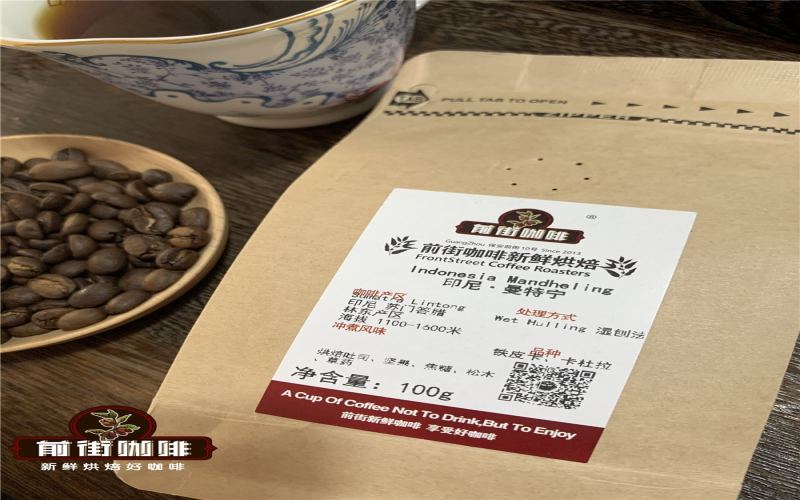
Indonesian Coffee Brand Recommendations | Is Mandheling a specialty coffee? How does the wet-hulling process affect Mandheling's flavor? How can you identify authentic PWN Golden Mandheling?
In Sumatra, there is a very complex local system for distinguishing the Mandheling coffees produced there. The most common approach is to differentiate various Mandheling coffees by naming them according to different regions, green bean traders, and processing methods. Examples include Front Street Lintong Mandheling, Front Street Tiger Mandheling, Front Street Golden Mandheling, Front Street Aged Mandheling, and Front Street [more…]

Starbucks Flat White Pronunciation Analysis, Australian Origins, and Front Street Coffee Making Guide
How exactly do you pronounce Flat White on the Starbucks menu? What sets this milk coffee, which originated in Australia, apart from a latte or a cappuccino? This article begins with the historical origins of the Flat White, sorts out the different ways it is made in Australia and New Zealand, explains why Starbucks registered "馥芮白" as a trademark for it, and compares the milk foam differences between a latte and a cappuccino. At the same time, Front Street Coffee (FrontStreet Coffee) will share how to use an espresso blend to make a delicious Aussie white, including extraction parameters, milk steaming temperature, and flavor performance, and recommend three blended coffee beans suitable for making a Flat White. [more…]
What makes the Yirgacheffe region unique? A detailed guide to coffee bean flavors, processing methods, and drip bag brewing
Yirgacheffe is Ethiopia's most iconic specialty coffee region, renowned worldwide for its delicate white floral aromas and refined mouthfeel. This article begins with the history of the Yirgacheffe region, tracing how it became independent from Sidamo and the episode in which Starbucks once attempted to trademark the name. At the same time, the article will provide an in-depth analysis of how the washed and natural processing methods affect Yirgacheffe's flavor, and introduce the characteristics of two representative coffee beans: Front Street's Gutingding and Red Cherry. Finally, Front Street Coffee's baristas will share the complete parameters and steps for pour-over Yirgacheffe, as well as practical tips on how to brew drip bag coffee with a full-bodied flavor, helping coffee lovers enjoy this region's alluring charm at home. [more…]
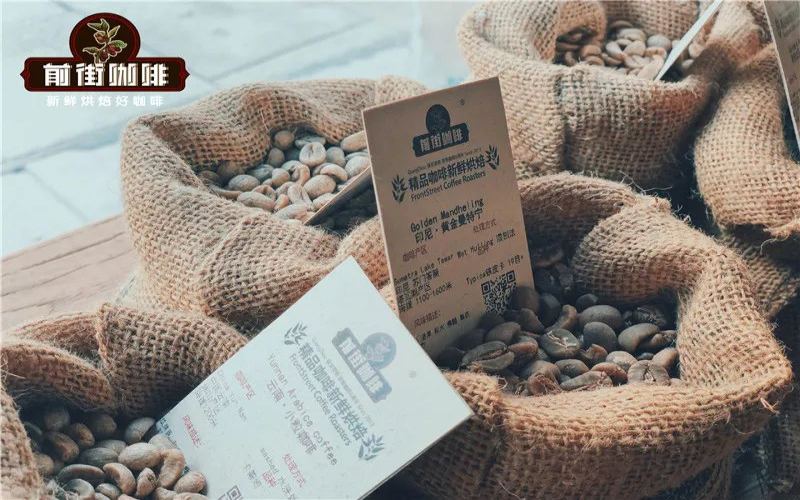
Black Coffee Brand Rankings | Which light, medium, and dark roast coffee beans are beginner-friendly and suitable for pour-over? Introduction to the flavor and taste characteristics of the top ten best single-origin beans
Many friends have私信'd Front Street, asking us to introduce some representative good coffee beans. Front Street thought about it, and the most representative coffees are the more distinctive coffee beans from major producing regions. To that end, Front Street has recommended 10 coffee beans from different producing countries for everyone. 1. Front Street Jamaica Blue Mountain No. 1 Coffee Beans [more…]
A Review of the Top Ten Classic Black Coffee Bean Origins and Flavors: A Tasting Guide from Blue Mountain and Geisha to Mandheling
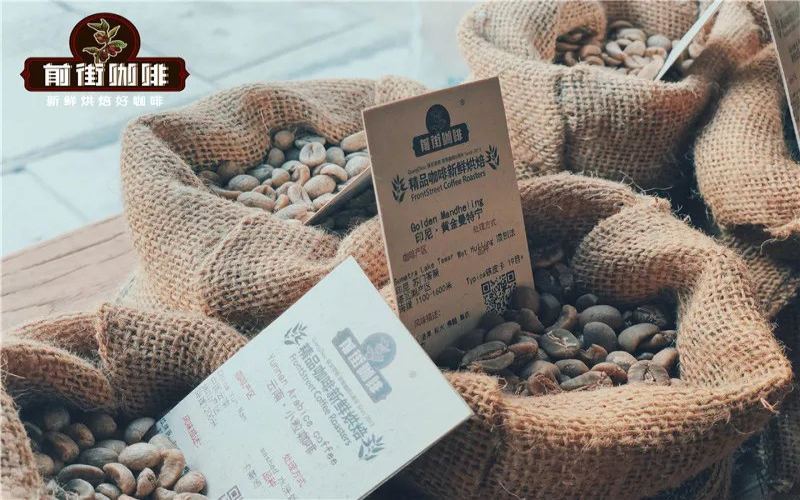
In the world of black coffee, coffee beans from different regions and varieties each tell their own unique flavor story. Front Street Coffee has selected ten representative coffee beans from around the world, covering Jamaican Blue Mountain, Panama Geisha, Indonesian Mandheling, Ethiopian Huakui, Kenyan Little Tomato, Brazilian Yellow Bourbon, Colombian Sidra, Papua New Guinea Bird of Paradise, Yunnan Typica, and Costa Rican Mozart. These beans include both classic famous varieties known for their balance and richness, and emerging contenders that win people over with bright fruit acidity and fermented sweetness. This article will go through each bean one by one, covering its origin background, variety characteristics, processing method, and flavor performance, helping coffee lovers find the cup that suits their taste. [more…]
Top Ten Specialty Coffee Beans Buying Guide: Front Street Coffee Recommends Representative Flavors and Taste Analysis from Various Regions
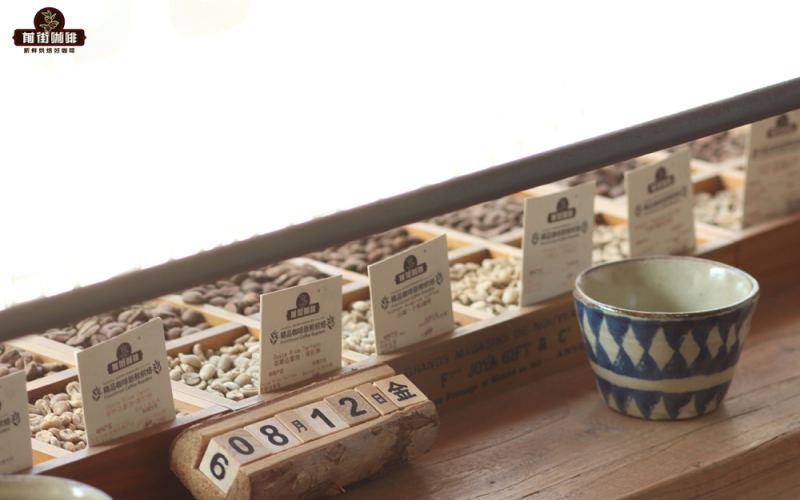
At the request of many coffee lovers, Front Street Coffee has selected 10 representative coffee beans from different producing regions around the world, covering Ethiopia, Indonesia, Jamaica, Panama, Kenya, Brazil, Colombia, Honduras, Yunnan China, and Costa Rica. These beans each have their own characteristics, from Huakui's tropical fruit storm to Blue Mountain's classic balance, from Geisha's elegant floral aroma to Sherry's wine barrel fermentation, each one represents the typical flavor of its region. Whether you are a coffee novice just starting out or a seasoned player seeking new experiences, this guide can help you find your ideal choice. [more…]
Mandheling Coffee Brewing Guide: How to Choose Between Drip Brewer and Siphon, and a Detailed Look at Golden Mandheling
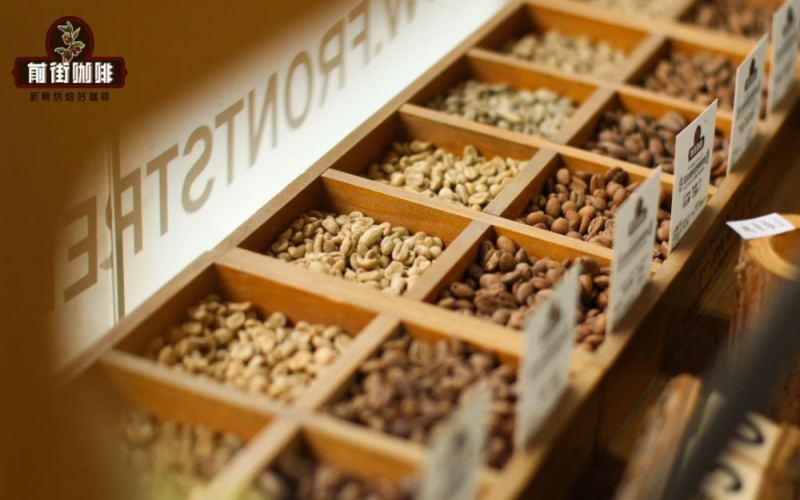
Mandheling coffee has long been favored by coffee enthusiasts for its full-bodied, low-acid character and rich, deep aroma. But when faced with two brewing methods—the drip pot and the siphon—which one is better suited to bringing out the flavors of Mandheling? This article begins with the 5 Mandheling coffees offered by FrontStreet Coffee, sorts through the production-region system of Sumatran coffee, focuses on explaining the definition of Golden Mandheling and its ties to the PWN company, and includes the detailed parameters of FrontStreet Golden Mandheling along with step-by-step siphon instructions to help you extract a rich, smooth cup of black coffee at home. [more…]
PWN Golden Mandheling Flavor Characteristics | Why Does Pour-Over Indonesian Mandheling Coffee Taste Sour? Is Mandheling a Coffee Variety? Where Does the Mandheling Flavor Come From?
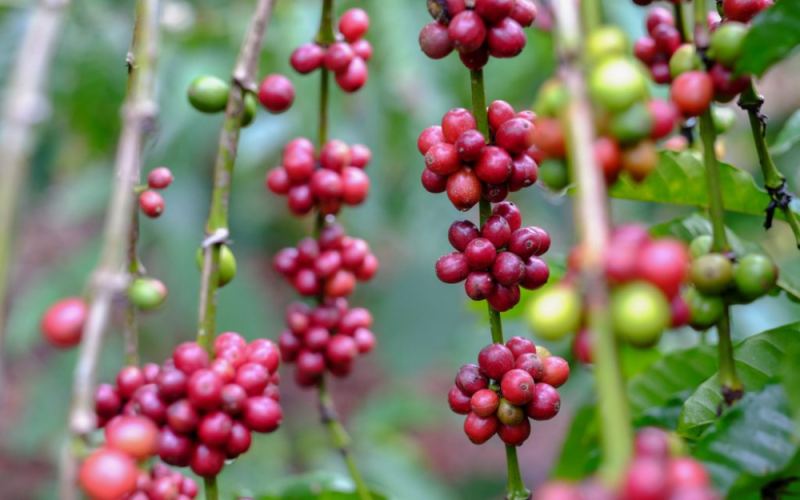
Some friends who dislike acidity and are new to single-origin coffee often tell the barista when they arrive at a café: "I'd like a pour-over coffee that isn't sour." At this point, the barista will usually recommend Mandheling coffee beans. Once it's brewed and they take the first sip, the feedback is always that it's bitter, and some even want to add sugar. [more…]
Analysis of Starbucks Flat White Espresso Shots vs. Aussie White Differences, Plus Ristretto Extraction and Calories
Since its launch in 2012, Starbucks Flat White has captured the taste buds of many coffee lovers. It combines the smoothness of a latte with the intensity of a cappuccino, making it an ideal choice in the hearts of milk coffee fans. But do you know how many shots of espresso are actually in a Starbucks Flat White? Is it the same drink as the commonly called Australian White? This article will guide you through the origin of the name Flat White, its cultural roots in New Zealand and Australia, Starbucks' espresso ratio, the extraction principle of Ristretto, and Front Street Coffee's Australian White production method and calorie reference. Whether you want to understand the tricks of ordering or want to recreate it at home, this content can give you clear answers. [more…]
Analysis of the characteristics of Indonesian Gayo Mandheling coffee beans: the causes of the herbal flavor of Golden Mandheling and key brewing points
Mandheling coffee is the representative of Indonesian coffee, and among its varieties, Golden Mandheling is renowned for its rich mouthfeel and herbal spice aroma. This article begins with the historical origins of PWN company, and sorts out the naming origin of Golden Mandheling, the unique terroir of the Gayo Mountain producing area, the characteristics of the Ateng variety, and how the wet-hulling process imparts woody and spicy tones to the coffee. At the same time, it compares the cupping performance of Front Street Lindong Mandheling and Front Street PWN Golden Mandheling, and includes Front Street's brewing parameter recommendations, helping coffee enthusiasts gain a comprehensive understanding of this coffee rich in Southeast Asian flavor. [more…]
A Detailed Guide to the Flavor, Taste, and Processing Methods of Indonesian Mandheling Coffee Beans: An Analysis of the Characteristics of the Gayo Region's Golden Mandheling
Mandheling coffee is one of Indonesia's most iconic coffees, known for its full body and herbal, spicy flavor. This article begins with the origin of the name Mandheling, explains how PWN (Pwani Coffee Company) established strict screening standards and built the Golden Mandheling brand, and takes an in-depth look at the terroir of the Gayo Mountain region, the characteristics of the Ateng variety, and the influence of the wet-hulling process on flavor. It also compares the cupping performance of Front Street Lintong Mandheling and Front Street PWN Golden Mandheling, and includes Front Street's brewing recommendations for Mandheling, helping coffee enthusiasts gain a comprehensive understanding of this Southeast Asian classic coffee. [more…]
Panama Emerald Red Label vs. Gesha Village Gold Label: A Side-by-Side Comparison—Which of the Two Top Geshas Is More Worth Buying?
Geisha coffee has always been a top-topic in the specialty coffee world, and on Front Street Coffee's bean list, Hacienda La Esmeralda's Red Label and Gesha Village's Gold Label are exactly the two that many enthusiasts find themselves torn between when first encountering Geisha. These two beans each represent the highest grade of their respective estates, yet because of the "red" and "gold" in their Chinese names, many people can't tell which is which. They differ not only in price, but also in variety origin, growing terroir, and flavor performance. This article systematically sorts out the similarities and differences between these two top Geishas for Front Street Coffee's customers—from naming logic and variety tracing to origin environment and actual cupping comparison—to help you find the cup that suits you best. [more…]